Stop Building More Dashboards
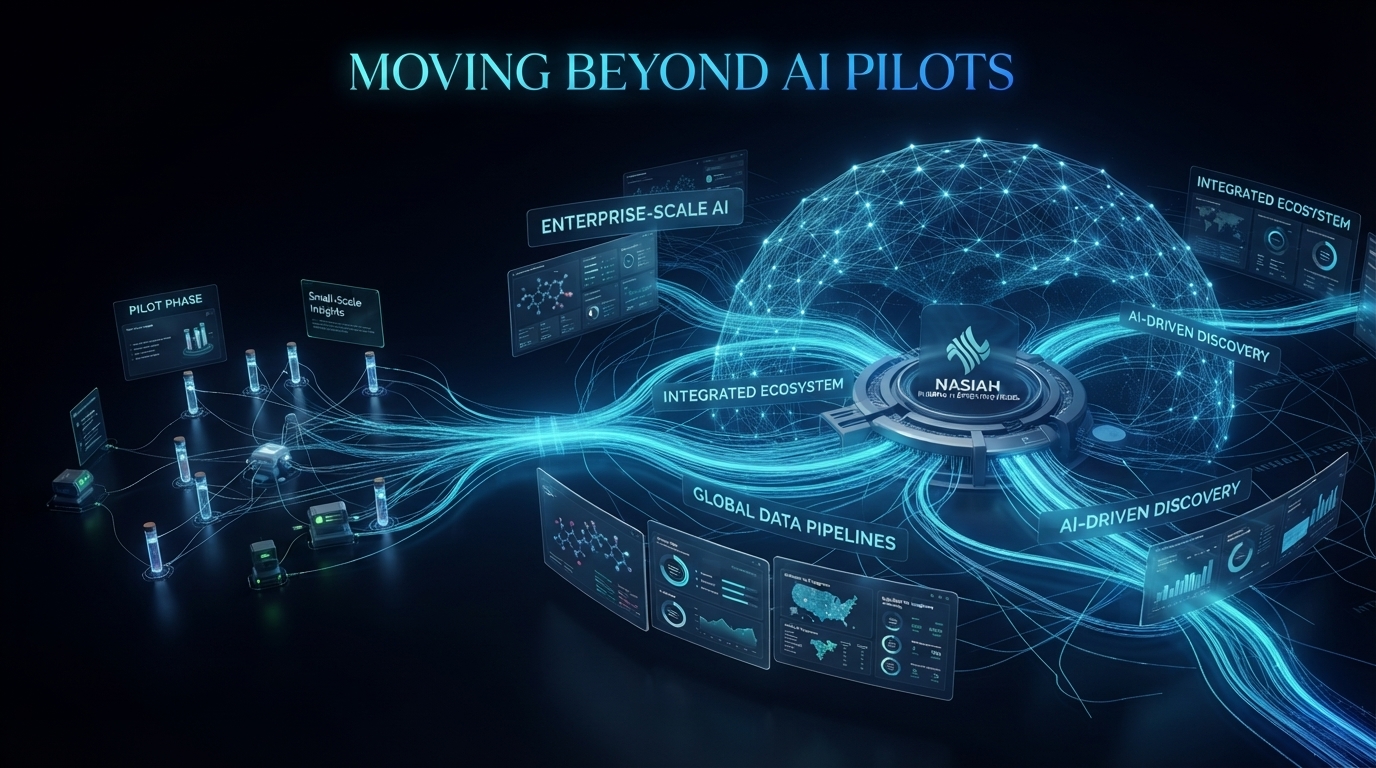
Move beyond disconnected intelligence and explore how AI agents can continuously monitor signals, understand context, recommend actions, and measure outcomes.
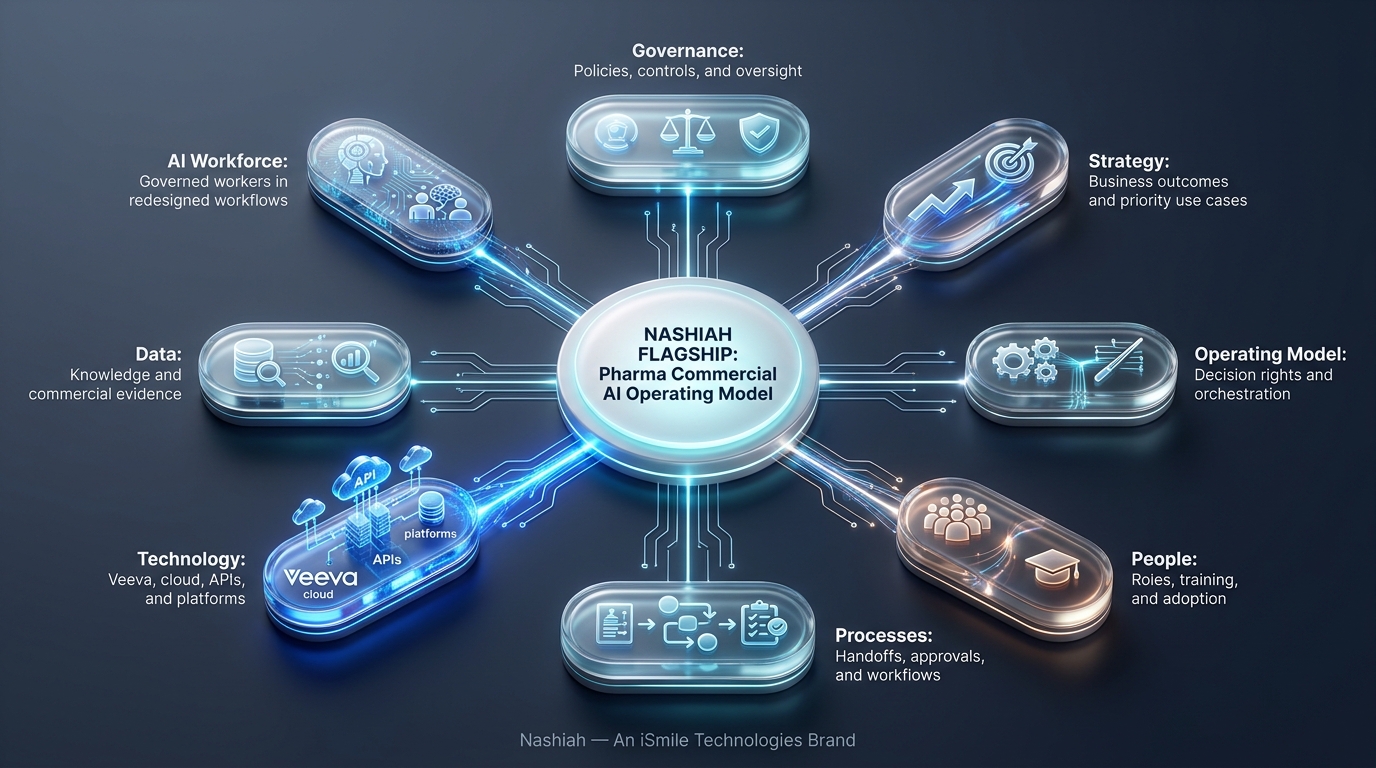
A recurring theme at Fierce Pharma Week 2026 was that pharma commercial teams don't need another dashboard — they need a system that understands what changed and what should happen next.
Organizations already generate enormous amounts of intelligence: diagnostic signals, CRM interactions, media engagement, website behavior, prescription and claims data, field activity, and content engagement. The bottleneck was never data volume. It has always been the human time required to bring those signals together, interpret them, and decide what to do next.
This is where agentic AI changes the architecture rather than just the interface. One agent can continuously monitor signals around the clock. Another establishes customer and clinical context. Another evaluates which approved content applies. Another identifies the next best action. Another measures what happened afterward. Together, they form a continuous loop: sense, understand, recommend, act, measure, learn.
The critical design principle running through all of it is that humans remain in control. AI should increase the organization's ability to understand and act — not remove accountability from the people making the decisions. A dashboard that gets read once a week cannot compete with a system that never stops watching, but it also should never be allowed to act without the guardrails a human has set.
For teams evaluating their next commercial intelligence investment, the useful question isn't "what should the dashboard show?" It's "what decision is this signal supposed to trigger, and who owns that decision?"
This piece draws on the real-world diagnostic intelligence panel at Fierce Pharma Week 2026, featuring Marianna Shafarenko (Regeneron), Nicole Benedetto (Jazz Pharmaceuticals), Niveditha Mogali (GSK), Patrick Mullaney (Diaceutics), and Parvati Vaish (Veeva).